 info@luxurybusinesscards.com.au
 +44 203 332 0848

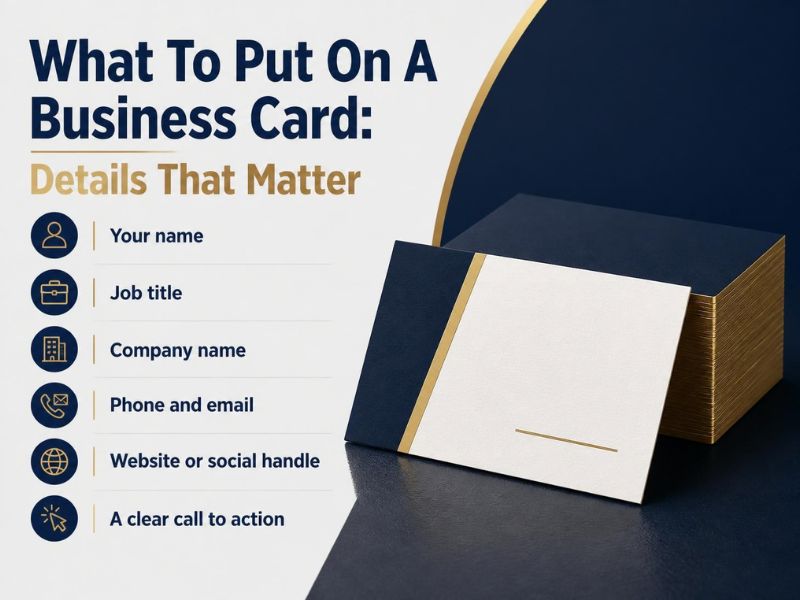
What To Put On A Business Card: Details That Matter
What are the important things that should be mentioned on a business card? Mentioning name, designation, company, address, telephone numbers, email IDs, and web addresses helps potential clients recognise the individual and get in touch with them easily.
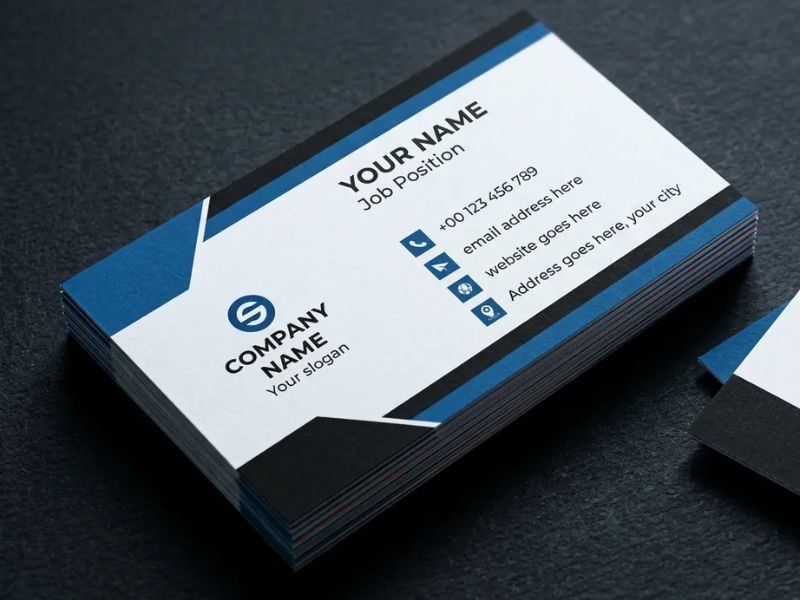
Streamline Layout Structures To Maintain High Visual Impact And Clarity
Providing a new connection with a flimsy card that includes tiny, barely legible text is one of the most effective ways to have your company quickly disregarded.
In an age when communication is mostly digital, a tangible networking card becomes an effective and personal link between a short conversation and an actual business deal.
Nevertheless, cramming all your corporate experience into a small strip of paper becomes unnecessary information overload for your future clients and reduces your basic message.
Through the use of vital contact information, proper visual hierarchy, current digital elements, and effective use of the reverse side, an effective networking tool can be created that commands immediate attention and inspires confidence in constant career development.
Establish Immediate Clarity With Core Personal And Company Identification
The first and most essential objective of all networking tools is to ensure the instant recognition of you, your business organisation, and your specific job description by the other party.
Your full professional name written in an easily readable font at the top of your card ensures that you are remembered by everyone you meet after the introduction is over.
In addition to your full name, your company name, your main company logo, and your job title must be clearly displayed. Be sure not to use misleading internal job titles that may confuse potential clients.
What To Include In A Business Card
Once your contact knows who you are, they need an easy way to connect for follow-ups, prices, or projects. Listing too many phone numbers, physical addresses, or difficult-to-find instant messaging contacts results in decision fatigue and prevents direct communication.
Keep only your direct phone number, email address with your own domain name, and website address. Listing your fastest means of communication will allow interested parties to get back to you promptly without being buried by regular customer service inquiries.
Reinforce Visual Credibility Through High-Grade Material Choices
The weight, texture, and structure of the card give off an impression of commitment to quality even before you read a single word from it. If it is made of ultra-thin paper that bends easily, it means the quality is poor. However, when the card is made of heavy cardstock, it gives off a feeling of high-quality.
Using premium business cards made of heavy cotton or matte paperboard makes your card more appealing and memorable. High-end materials combined with elegant finishes such as spot UV gloss, soft touch lamination, or foiling give a unique executive feel to your company.
Direct Contacts To Relevant Digital Portfolios And Social Channels
In addition to including the URL of your website, directing your contacts to your particular social media platform will instantly expose them to your best work.
If you work in the creative industries, consultancy, or provide services, directing your contacts to an excellent online portfolio, a case studies page, or LinkedIn will instantly give them social proof of your abilities.
Do not include all the social media accounts you have on different platforms. Just pick one or two where you regularly post industry information, testimonials, or updates on your portfolio.
What To Put On Business Cards For Maximum Readability
One of the most common mistakes entrepreneurs make is to try to fill every square millimeter with text, icons, and logos. It looks messy and unprofessional and makes it difficult for an executive to locate simple contact information.
Plenty of white space provides breathing room for your design, creating a visual flow that allows the eyes to easily follow the natural progression from your name to your communication methods.
Professional fonts and clean margins exude calmness and professionalism from an executive point of view, making your brand look significantly more professional than that of competitors, which include too much information on their business cards.
Maximise Back-Side Space To Deliver Genuine Practical Value
The reverse side of your card presents an area that can be effectively utilised, but often it goes to waste because of the blank white surface or just your logo.
Instead of leaving it unused, clever marketers fill it with important information that prompts clients to hang it on their desk. Add a bullet-pointed list of your services, a QR code for special discounts, an appointment calendar, or your catchy brand slogan to enhance the brand appeal.
Adapt Card Content To Fit Small Business Goals And Local Audiences
The independent business owner, freelancer, or local service provider has different marketing issues when compared to those of global companies. For small-scale companies, creating trust, relevancy, and value is much more important than showcasing corporate structures.
Knowing what to put on a business card for small business consists of showcasing your local geographic coverage, your point of difference, and how people can book directly.
Adding a relevant and simple line helps local customers to know why your company is better than all other similar companies across the country.
Highlight Core Service Features To Eliminate Client Guesswork
In cases where the name and logo of your company do not clearly indicate what goods or services you provide, using a tagline is crucial.
An easy-to-remember five-word slogan placed right under the company name eliminates any confusion, letting your potential partners know right away how your company will help them.
When considering what to put on back of business card, listing four or five core specialties provides clients with an immediate sense of your expertise.
Upgrade Physical Cards With Modern Interactive Networking Technology
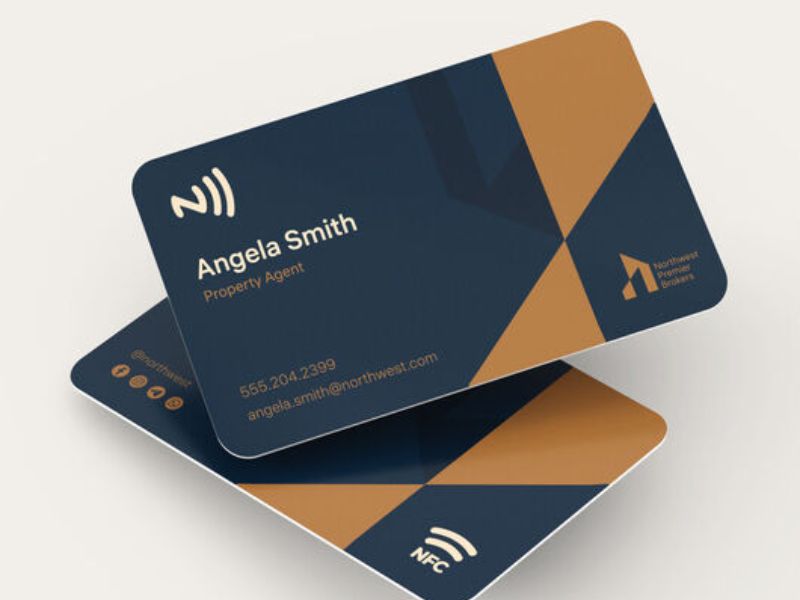
In the modern age where business is becoming highly digital, it has never been more crucial to connect the dots between in-person introductions and digital introductions.
Modern networking professionals no longer use only static paper; rather, they make smart use of digital tools whereby potential customers can add their contacts through one simple touch to their smartphones.
By investing in NFC business card printing, you get the luxury of placing the wireless chip in tough paper, plastic, or metal material. With just a tap on the customer’s phone, your entire contact details, website, and portfolio videos can be transferred effortlessly without having to type anything.
Review Content Layouts Carefully To Avoid Expensive Print Errors
Proofreading and proper alignment of the custom card design is an absolute necessity before submitting the card to the professional printers.
Any slight errors in phone numbers, email addresses, or social media handles will make the physical cards totally useless as well as a waste of the marketing budget.
Each character used must be relevant and serve a purpose. Make sure that fonts used in the text can be read even when small, have sufficient contrast with the background color, and are within the safe print margin to guarantee a flawless finished product.
Drive Higher Client Conversions With Tailored Business Cards
Investment in customised network products enables you to have a unique look that will definitely be much more appealing compared to the conventional stock templates. These cards will help potential clients understand your company’s commitment to providing superior quality, professionalism, and an authentic brand identity.
Some advantages of using these unique cards are:
- Command industry brand respect instantly
- Establish client trust fast
- Demonstrate unique value propositions effectively
- Increase lead conversions in the long run
- Boost referral rates among customers
Tailored cards act as strong physical reminders of your area of expertise, keeping your company at the forefront of people’s minds when they need your services.
FAQs
What should I put on my business card?
Your name, job position, company name, contact number, business email, and website address should be included. In addition, include a QR code that can be scanned easily and ample white space to enhance legibility and instant digital connectivity.
What to put on the back of a business card for local companies?
If your company has clients coming over physically to meet you, like in a store or clinic, then you need to include the physical address. However, if you are operating in remote locations, then the backside of the card can have information such as a map showing services offered in that region.
What are the elements of a professional business card?
A professional business card should have information that is easily understandable, readable fonts, proper branding, adequate spacing, appropriate paper, and accurate contact information.
How many methods of communication need to be included on a card?
It is advisable to include no more than three or four ways through which people can communicate with you, such as your personal mobile number, work email address, website address, and finally, one social media account.
How effective are QR codes in corporate business cards?
QR codes are extremely effective since they immediately connect the physical card to its digital counterpart. Using a QR code to direct recipients to a digital vCard, online portfolio, appointment scheduling system, or even marketing video will prove effective.
Conclusion
The development of an effective business card requires a delicate combination of elements, including personal contacts and aesthetic appeal, as well as practicality.
By focusing on proper personal identification, effective communication links, and high-quality material, you will guarantee that every physical introduction makes a strong professional impact. Spending your time picking out important details will increase your business reputation, get you immediate recognition within the industry, and ensure success in business all the time.

As the content specialist for LuxuryBusinessCards.com.au, I focus on sharing insights into luxury business cards, premium branding, and professional networking across Australia. My content explores high-end materials, specialty finishes, design trends, and brand presentation strategies that help businesses make lasting first impressions. Through informative and research-driven articles, I aim to help professionals and organizations strengthen their brand identity with distinctive, high-quality business cards.